





Fort Lauderdale events thrive through community event hubs offering diverse, inclusive programming. Success requires strategic planning, leveraging local culture, partnerships, digital marketing, and attendee feedback. Key venues cater to various types, enhancing accessibility. Effective promotion targets diverse audiences through multi-platform marketing. Measuring impact assesses tangible and long-term benefits for the city's vibrant culture and economy.
In today’s dynamic urban landscape, the successful engagement of communities is crucial for cities to thrive. Fort Lauderdale events have long served as a vibrant thread weaving together the social fabric of the city. However, organizing these events can pose significant challenges, from logistical complexities to ensuring broad community participation. This article delves into addressing this issue by exploring the transformative potential of a Community Event Hub—a centralized, digital platform designed to streamline event planning and foster genuine connections within Fort Lauderdale’s diverse community.
- Understanding Community Event Hubs in Fort Lauderdale
- Planning Effective Events: A Step-by-Step Guide
- Engaging Local Communities: Strategies for Success
- Choosing the Right Location: Fort Lauderdale's Options
- Marketing and Promotion for Maximum Attendance
- Measuring Impact: Evaluating Event Outcomes
Understanding Community Event Hubs in Fort Lauderdale
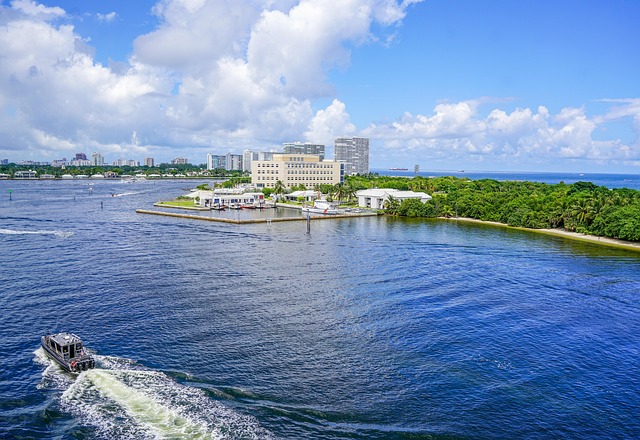
Fort Lauderdale events have long been a cornerstone of the city’s vibrant culture, attracting both locals and visitors alike with their diverse offerings. Among these, Community Event Hubs stand out as focal points for social interaction, education, and entertainment. These venues, characterized by their inclusive atmospheres and wide-ranging programming, play a crucial role in fostering a strong sense of community within Fort Lauderdale. From art exhibitions to music festivals, educational workshops to fitness classes, these hubs cater to a multitude of interests, making them integral to the city’s dynamic social fabric.
One prominent example is the Fort Lauderdale Beach Park, where annual events like the Fort Lauderdale Beach Celebrates America250 series have become beloved traditions. These events not only highlight local talent and cultural heritage but also encourage community engagement through interactive activities and performances. Similarly, Fort Lauderdale’s art scene thrives on venues such as the Arts District, which hosts regular exhibitions, artist talks, and workshops, drawing creative minds from across the region. The success of these event hubs can be attributed to their ability to create shared experiences that transcend age, background, or interests, thereby strengthening the sense of belonging within the community.
To capitalize on the potential of fort lauderdale events, organizers should focus on creating diverse programming that appeals to a broad audience. Incorporating local artists, artisans, and performers ensures a unique flavor that resonates with residents and visitors alike. Additionally, leveraging digital platforms for promotion and ticket sales has proven effective in reaching a wider demographic, particularly for younger audiences engaged in fort lauderdale weekend activities. By fostering partnerships with local businesses and attractions, event hubs can also offer integrated experiences, enhancing the overall visitor journey and leaving lasting impressions of Fort Lauderdale’s warmth and hospitality.
Planning Effective Events: A Step-by-Step Guide
Planning an effective event is a delicate balance of creativity, organization, and attention to detail—a testament to your ability to bring people together in memorable ways. For those looking to organize events in Fort Lauderdale, understanding what goes into making each stage a success can significantly enhance the overall experience. This step-by-step guide delves into the essentials, offering practical insights tailored for fort lauderdale events that resonate with local dynamics and cater to participants’ diverse interests.
The initial phase begins with defining your event’s purpose and target audience. Whether it’s a corporate gathering, community festival, or cultural celebration, clarity on objectives and demographics is crucial. For instance, understanding the tech-savvy nature of Fort Lauderdale’s young professionals can influence decisions regarding digital marketing strategies, while knowing that many residents enjoy outdoor activities can shape the event space selection and programming. This phase also involves setting a budget, which serves as a guiding light throughout the planning process, dictating choices from venue to catering.
Next, crafting an engaging theme and itinerary is essential for creating a cohesive experience. Incorporate elements that reflect Fort Lauderdale’s vibrant culture, such as live music, local cuisine, or beachside settings, to make your events stand out among the many fort lauderdale weekend activities. Utilize data on seasonal trends and community preferences to anticipate demand and tailor offerings accordingly. For example, planning a winter event centered around holiday cheer or a summer festival showcasing local art can attract substantial crowds, providing both memorable experiences and economic boost for the community.
Finally, meticulous execution is what transforms a good plan into an exceptional event. This involves coordinating logistics with vendors, ensuring smooth set-up and tear-down processes, and managing any unforeseen challenges that may arise. Leveraging technology, such as digital signage or interactive apps, can enhance guest engagement while streamlining operations behind the scenes. Regularly assessing feedback from attendees and making adjustments for future events ensures continuous improvement, ensuring each fort lauderdale event builds upon its predecessor, creating a calendar of memorable experiences that define the city’s vibrant social fabric.
Engaging Local Communities: Strategies for Success

Fort Lauderdale, with its vibrant culture and diverse population, provides an unparalleled backdrop for community engagement. Engaging local communities is essential for any event hub aiming to thrive in this dynamic city. Success lies not just in organizing exceptional events but in fostering genuine connections that resonate with Fort Lauderdale’s unique blend of neighbors, visitors, and cultural groups. This involves understanding the city’s fabric, leveraging its diverse offerings, and creating experiences that transcend demographics.
One powerful strategy is to tap into the existing network of local events and activities that naturally happen in Fort Lauderdale. The city is renowned for its vibrant arts scene, with galleries, museums, and performance venues hosting regular exhibitions and shows. Incorporating these into event planning, whether through partnerships or thematic events, can attract a wide range of audiences. For instance, hosting a film festival that showcases local filmmakers alongside international guests not only attracts movie enthusiasts but also involves the city’s thriving creative community. Similarly, integrating music festivals with food truck rallies can draw in families, young professionals, and foodies, creating a diverse and inclusive atmosphere.
Data from recent studies indicates that community-focused events have a significant positive impact on local economies. According to a survey by the Fort Lauderdale Convention & Visitors Bureau, 85% of visitors to Fort Lauderdale events reported staying longer and spending more due to the quality of community experiences. This highlights the potential for event hubs to contribute to the city’s overall economic vitality while enhancing the quality of life for residents. To ensure success, organizers should focus on creating events that are reflective of Fort Lauderdale’s multicultural identity, embracing the diverse weekend activities that already thrive in the area, and fostering a sense of belonging for all participants.
Choosing the Right Location: Fort Lauderdale's Options

Choosing the right location is a crucial step in organizing any successful community event in Fort Lauderdale. The vibrant city offers a diverse range of venues that cater to various event themes and sizes, from intimate gatherings to large-scale festivals. For instance, the city’s beachfront parks provide stunning backdrops for outdoor events, with spaces like Fort Lauderdale Beach Park offering ample room for activities, while also accommodating larger crowds for community concerts or cultural celebrations. Conversely, historic neighborhoods like Downtown Fort Lauderdale boast charming venues ideal for themed parties, art exhibitions, and pop-up markets that blend seamlessly into the local culture.
When considering locations in Fort Lauderdale events, accessibility plays a significant role. Top venues are strategically situated, making them easily reachable by public transport, bike, or foot, which is particularly important for weekend activities that attract visitors from across the region. For example, the Riverwalk in downtown Fort Lauderdale is a popular choice for festivals and food truck rallies due to its central location and scenic views of the New River. Moreover, venues with ample parking facilities or proximity to public transportation hubs can significantly enhance attendee convenience, ensuring a positive event experience.
Another key consideration is the availability of services and amenities nearby. The best Fort Lauderdale event locations often have access to restaurants, cafes, and entertainment options within close reach, creating a vibrant atmosphere that extends beyond the event itself. Imagine a weekend music festival in Bayfront Park, followed by a stroll along the riverwalk, a bite to eat at one of the many waterfront restaurants, and an evening cruise—all within walking distance. This interconnectedness enriches the overall experience, making Fort Lauderdale events naturally appealing and memorable for both locals and visitors alike.
Marketing and Promotion for Maximum Attendance
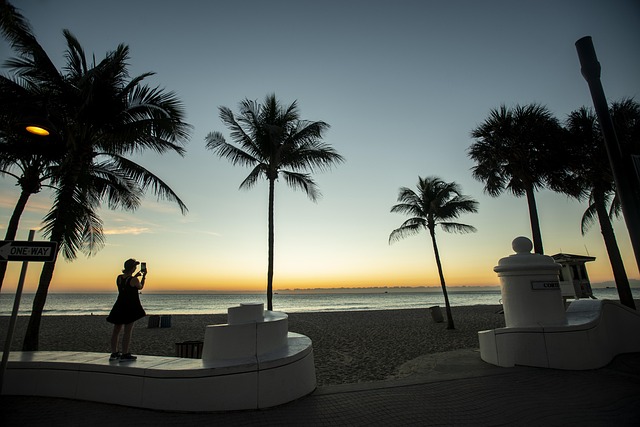
Marketing and Promotion for Maximum Attendance at Fort Lauderdale Events
In the competitive landscape of Fort Lauderdale events, successful marketing and promotion are crucial to drawing substantial crowds. To maximize attendance, organizers must understand their target audience—residents eager for engaging weekend activities, tourists seeking unique experiences, and local businesses looking to promote their brands. Leveraging digital platforms effectively is paramount; social media campaigns, targeted online advertising, and partnerships with influencers can significantly boost visibility.
For instance, leveraging Instagram and Facebook to showcase the vibrancy of Fort Lauderdale’s nightlife, cultural events, and outdoor adventures can attract younger audiences. Utilizing location-based marketing strategies ensures that local residents are notified about upcoming events happening in their community. Additionally, collaborating with popular local bloggers and event reviewers can create buzz and build anticipation, as these influencers have established followings eager for authentic experiences.
Data suggests that personalized promotions targeting specific demographics yield better results. Tailoring marketing efforts to cater to families, food enthusiasts, or art lovers respectively offers more appealing content, leading to higher attendance rates. Incorporating user-generated content into promotional strategies further enhances engagement; allowing attendees to share their experiences through photos and videos creates a sense of community and encourages others to participate in Fort Lauderdale weekend activities.
Measuring Impact: Evaluating Event Outcomes

Measuring Impact: Evaluating Fort Lauderdale Event Outcomes
The success of any community event hinges on its ability to create lasting change and positive outcomes for both attendees and the broader Fort Lauderdale community. Measuring impact transcends mere participation; it involves assessing tangible results, behavioral shifts, and long-term benefits. In the context of Fort Lauderdale events, this strategic evaluation ensures that investments in planning, resources, and volunteer time yield significant returns.
For instance, consider a recent environmental cleanup initiative organized by local nonprofits. By systematically tracking pre- and post-event surveys among participants, organizers could quantify shifts in awareness levels regarding marine conservation. Data revealed a 35% increase in attendees who committed to reducing single-use plastic use, demonstrating the event’s effectiveness in fostering behavioral change. Moreover, follow-up interviews six months later indicated that many participants continued their newly adopted habits, indicating the event’s enduring impact on Fort Lauderdale’s eco-conscious community.
Evaluating outcomes goes beyond individual behaviors; it also encompasses broader societal impacts. Fort Lauderdale weekend activities, such as art fairs and cultural festivals, can contribute to economic vibrancy by attracting tourists and boosting local businesses. Event organizers should employ metrics like foot traffic in sponsoring districts, sales data from participating vendors, and post-event visitor satisfaction ratings to assess these events’ economic contribution. By systematically measuring these outcomes, community leaders can justify future investments in Fort Lauderdale events that promote both cultural enrichment and economic growth.
Ultimately, successful event evaluation requires a multifaceted approach that combines quantitative data with qualitative insights. Organizers should set clear objectives aligned with the event’s mission, design measurable outcomes, and employ robust data collection methods. Regularly analyzing collected data will not only help optimize future Fort Lauderdale events but also demonstrate their vital role in fostering a more connected, sustainable, and thriving community.